
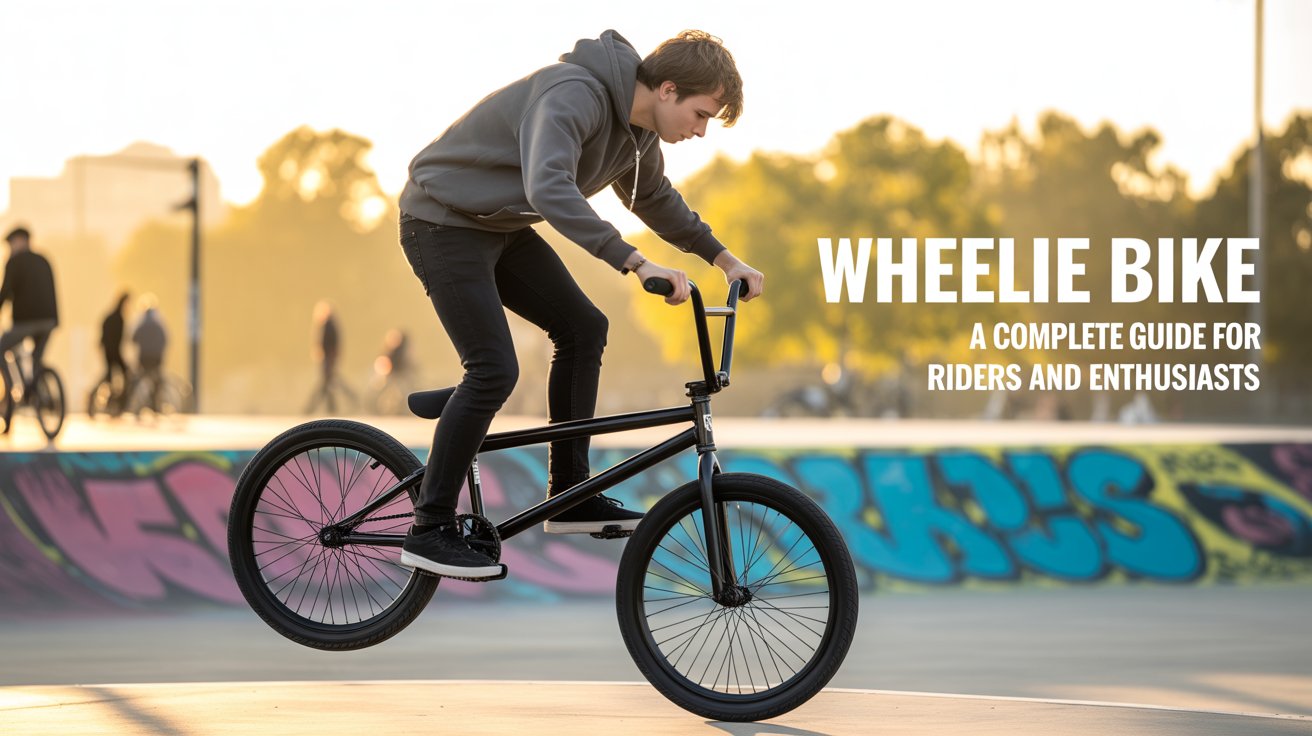
Riding a bicycle is something most of us learn as kids. But have you ever seen someone lift the front wheel of their bike, balancing perfectly while still pedaling smoothly down the street? A wheelie is more than a simple bike trick—it’s a display of balance, control, and a touch of flair. And the bikes designed for pulling off these tricks? They’re known as wheelie bikes.
This guide will take you through everything you need to know about them—from their history and design to riding techniques, culture, and even safety tips. Whether you’re curious about the trend or considering giving it a try yourself, this article will cover it all in detail.
The Origins of Wheelie Bikes
Wheelie bike became popular during the 1960s and 1970s, a time when cycling culture collided with youth freedom and creativity. Picture kids cruising around neighborhoods on brightly colored bikes with banana seats, tall handlebars, and chrome fenders. These were sometimes called muscle bikes because they were inspired by hot rods and drag racers.
The bike’s design naturally invited playful stunts, with the wheelie quickly rising as its trademark move. Over time, manufacturers began producing specialized bikes that made balancing on one wheel easier, leading to today’s dedicated wheelie bikes.
What Makes a Wheelie Bike Different?
At first glance, you might think a wheelie bike looks like any other bicycle. But look closer, and you’ll notice some important details:
-
Geometry: The frame is often designed with a longer rear end, making it more stable when the front wheel is up.
-
Gearing: Many wheelie bikes come with gears suited for quick bursts of speed and easier control when pedaling on one wheel.
-
Brakes: Reliable rear brakes are essential, since riders often use them to control balance.
-
Wheels and Tires: Wider tires give better grip, while strong rims withstand the impact of tricks.
In short, these bikes are built not just to ride but to perform.
Why Do Riders Love Wheelie Bikes?

Imagine a wheelie bike as the stage, with the wheelie itself performing as the star act. For many riders, it’s not just about transportation—it’s about style, freedom, and self-expression. Doing a clean, long wheelie feels a little like surfing on the street. You’re balancing, moving, and flowing all at once.
There’s also a strong sense of community around wheelie riding. Groups of riders often gather in cities, forming bike crews that pull wheelies down boulevards or across parks, turning everyday rides into moving performances.
Learning to Do a Wheelie
Pulling off your first wheelie is one of those unforgettable moments, like learning to whistle or tie your shoes. It looks simple, but it takes practice. Here’s a step-by-step breakdown:
-
Find the right bike and spot – Choose a flat, open space with minimal traffic.
-
Start in a medium gear – Too light and you’ll pedal too fast; too heavy and you won’t lift the wheel.
-
Pedal with power – Push down hard on the pedals while leaning back slightly.
-
Cover the rear brake – Tap it lightly to bring the front wheel back down if you feel off balance.
-
Rely on body balance – let your arms guide, your core stabilize, and your legs keep the rhythm smooth.
Like learning to balance on a seesaw, the trick is finding the sweet spot between too far forward and too far back.
Common Mistakes Beginners Make
Learning to wheelie is exciting, but beginners often run into the same problems:
-
Pulling too hard – Flipping backward is common at first.
-
Looking down – Your eyes should focus ahead, not on the front tire.
-
Ignoring brakes – Forgetting to cover the rear brake can lead to crashes.
-
Wrong gear choice – Using the lowest gear makes it nearly impossible to control.
The good news? Every mistake is part of the learning process, and with practice, you’ll get smoother.
The Culture Behind Wheelie Riding

Wheelie riding is more than a skill—it’s a lifestyle. In many cities around the world, especially in places like New York, London, and Los Angeles, groups of riders hit the streets together. These meetups are like parades on wheels, where tricks, speed, and style mix into a shared experience.
Social media has amplified this culture, with riders posting videos and building communities online. The sense of belonging is strong, and for many young people, wheelie riding provides a positive outlet for energy, creativity, and friendship.
Wheelie Bikes vs. BMX and Mountain Bikes
You might be wondering: can’t you just do wheelies on a BMX or mountain bike? The answer is yes—but a dedicated wheelie bike makes the trick much easier.
-
BMX bikes are great for stunts, but their short wheelbase makes long wheelies harder.
-
Mountain bikes are strong, but their weight can make them less playful.
-
Wheelie bikes strike a balance—light enough to lift easily, but stable enough for control.
If you’re serious about wheelie riding, investing in a proper bike is worth considering.
Safety First: Staying Protected While Riding
Pulling off tricks on two wheels looks impressive, but safety should always come first. Here are a few essentials:
-
Helmet: Non-negotiable for protecting your head.
-
Gloves: Help with grip and reduce scrapes in case of a fall.
-
Knee and elbow pads: Especially useful when you’re still learning.
-
Bright clothing or lights: Makes you more visible in traffic.
Remember, no trick is worth risking your well-being.
How to Maintain a Wheelie Bike

Like any bicycle, a wheelie bike needs regular care to perform at its best. Here’s what you should focus on:
-
Always check your tire pressure before riding to ensure steady grip and effortless control.
-
Keep the chain clean and lubricated to avoid slipping.
-
Inspect brakes regularly since they’re your safety net.
-
Tighten bolts and parts to handle the stress of tricks.
Keeping your bike in good shape not only improves the ride but also extends its lifespan.
Wheelie Riding as a Sport and Performance
What started as kids doing tricks in the neighborhood has grown into something bigger. Organized events, competitions, and shows now celebrate wheelie riding. Riders are judged on style, distance, creativity, and control.
In some ways, it’s like skateboarding or freestyle BMX—the wheelie is the foundation, but riders add their own flair to stand out.
Choosing the Right Wheelie Bike for You
If you’re thinking about getting one, here are factors to consider:
-
Frame size: Choose one that fits your height to ensure both comfort and steady handling.
-
Weight: Lighter bikes are easier to lift.
-
Budget: You don’t need to spend a fortune; many mid-range bikes are excellent.
-
Purpose: Do you want it for tricks, commuting, or both?
Try visiting a local bike shop, test-riding a few options, and asking experienced riders for advice.
The Future of Wheelie Bikes
With cycling culture growing worldwide, the future of wheelie bikes looks promising. More manufacturers are designing bikes specifically for tricks, and online platforms continue to bring riders together.
Who knows? In the coming years, wheelie biking might become as mainstream as skateboarding once did, complete with professional teams, sponsors, and televised events.
FAQs
1. Can any bike be used for wheelies?
Yes, most bikes can do wheelies, but dedicated wheelie bikes are designed to make it easier and safer.
2. How long does it take to learn a wheelie?
It varies by person—some pick it up in a few days, while others may take weeks of consistent practice.
3. Is wheelie riding dangerous?
Like any stunt, it carries risks, but wearing proper gear and practicing in safe spaces greatly reduces them.
4. Do wheelie bikes work well for everyday riding?
Absolutely. They can be used for normal rides, though their design is optimized for tricks.
5. Are there professional wheelie competitions?
Yes, in many cities there are organized events and contests where riders showcase their skills.
Conclusion
Wheelie bikes aren’t just about riding—they’re about freedom, creativity, and community. From their retro roots in the 1970s to today’s global crews, they’ve captured the imagination of people young and old. Learning to wheelie takes practice and patience, but the reward is more than just a trick—it’s the feeling of flying while your tires stay grounded.
If you’ve ever been tempted to give it a try, maybe now’s the time to dust off your bike, find an open stretch of road, and see how far you can ride on one wheel.